Aircraft Maintenance and MRO Insurance
Aircraft maintenance shops, aircraft mechanics, avionics firms, and MRO facilities carry risks that most general insurance brokers have never encountered. Hangarkeeper's liability, products and completed operations, and coverage for aircraft in your care, custody, or control require a specialist who understands aviation and the difference between a routine annual inspection and a major avionics overhaul on a $10 million turbine.
Request a Maintenance Quote
Start with your contact details, airport, employee count, and estimated revenue. Shop type and aircraft details help us prepare for your review.
Prefer to talk? Call now: (800) 432-8519
Coverage for Aircraft Maintenance Shops and MRO Facilities
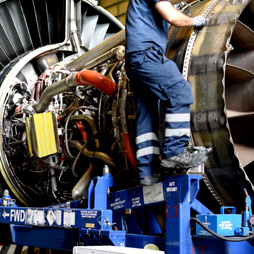
The largest exposure for most aircraft maintenance operations is hangarkeeper's liability: your legal liability for damage to customers' aircraft while in your care, custody, or control. This coverage is not automatic under a standard commercial general liability policy, and many shops discover this gap only when a customer's aircraft is damaged on their premises. The coverage limit you need depends on the highest value aircraft you regularly work on, not the average, and we'll make sure your limits reflect the actual risk you carry on any given day.
Products and completed operations liability is the second major exposure area. Work done on an aircraft that later contributes to an accident can result in liability claims long after the aircraft left your shop, sometimes years later. This coverage must be specifically included and maintained even during periods when you're not actively performing maintenance, because prior work remains a potential liability. If you're a factory-authorized service center, your authorization agreement likely contains specific insurance requirements that we'll review with you to confirm compliance.
We can also help you review maintenance agreements and lease terms to understand how your contractual liability exposure interacts with your insurance program without creating unnecessary friction with your customers. Call us or complete the form below to discuss your specific operation.
Coverage for Aircraft Repair Shops and Mechanics
Aircraft mechanic insurance often needs to account for hangarkeepers liability, products and completed operations, premises liability, tools and equipment, customer aircraft in your care, and physical damage to aircraft or property. If your maintenance operation overlaps with an FBO or airport business, supports charter or corporate aircraft, or works with high-value personal aircraft, we will help align those exposures instead of treating the shop like a generic garage.
We also shared a broader perspective on how technology should support expert service in aviation insurance in our article What AI Should Actually Do in Aviation Insurance, including why better internal systems should help experienced maintenance and MRO clients get faster, clearer answers.
Match Your Maintenance Work to the Coverage Review
An avionics installation shop, an independent mechanic, and an MRO with several customer jets on site can have different exposures. Use this comparison to prepare for a discussion of your operation; the policy wording determines the coverage available.
| Exposure | Coverage to discuss | Information to bring |
|---|---|---|
| Customer aircraft on site | Hangarkeepers liability, including applicable per-aircraft and occurrence limits | Highest individual aircraft value, maximum combined value at one time, storage, towing, and ground-run activities |
| Work after the aircraft leaves | Products and completed operations liability | Maintenance and avionics work performed, subcontracted work, prior operations, and loss history |
| Test flights and ferry flights | Aircraft liability and physical damage arrangements for those flights | Who flies, aircraft types, pilot qualifications, and agreements with the aircraft owner |
| Shop premises and equipment | Premises liability and property coverage for tools, equipment, and business property | Locations, equipment values, lease requirements, and activities beyond maintenance |
| Contract obligations | Required limits and endorsements, including additional insured provisions where applicable | Airport leases, customer maintenance agreements, and factory service-center requirements |
Prepare Your Aircraft Maintenance Insurance Submission
- Business name, location, airport designator, employee count, and type of operation.
- Estimated annual revenue by activity: repair and service, fuel sales, and avionics.
- Aircraft types serviced, highest aircraft value, and maximum combined customer-aircraft value on site.
- Details of ground runs, towing, test flights, ferry flights, and subcontracted work.
- Current insurance, loss history, and contracts that specify insurance requirements.
The form below collects the initial business details. We will discuss supporting documents and coverage requirements with you. If you also operate an FBO or airport business, tell us so the review includes those activities.
Frequently Asked Questions: Aircraft Maintenance & MRO Insurance
What is hangarkeeper's liability and why does every maintenance shop need it?
Hangarkeeper's liability covers your legal liability for damage to customers' aircraft while they are in your care, custody, or control, including on your ramp, in your hangar, or while being towed or taxied. Standard commercial general liability policies specifically exclude this exposure. If a fire in your hangar destroys three customers' aircraft, or an employee damages a turbine during a ground run, your hangarkeeper's coverage is what protects you. The coverage limit should reflect the highest-value aircraft you regularly work on, not the average. An MRO that regularly works on Gulfstreams or Citations needs hangarkeeper's limits that match that exposure.
What does products and completed operations liability cover for an aircraft maintenance shop?
Products and completed operations liability covers claims arising from work you performed on an aircraft after that aircraft has left your facility. If a part you installed or a repair you completed later contributes to an accident, the resulting liability claim comes under this coverage, sometimes years after the work was done. This coverage must be actively maintained even during off-seasons or business transitions, because work already performed continues to create exposure. It should also cover your defense costs, which can far exceed the settlement value in aviation claims.
Do I need separate coverage if I'm a factory-authorized service center?
Your factory authorization agreement almost certainly contains specific insurance requirements: minimum limits, endorsements, and potentially required additional insureds. We'll review your authorization agreement to confirm your policy meets those terms. Gaps in meeting your authorization insurance requirements can affect your status as an authorized service center and create contractual exposure beyond the underlying claim. Factory-authorized shops for Cirrus, Piper, Textron, Bell, or other OEMs should have their agreements specifically reviewed.
What insurance do I need if my shop also ferries or test-flies aircraft?
If your maintenance operation involves test flights, ferry flights, or any other time your employees are flying customers' aircraft, you need coverage for that exposure specifically. This may involve non-owned aircraft liability, coverage for pilot liability during maintenance test flights, and possibly hired aircraft physical damage coverage. This is a coverage gap that many maintenance shops carry unknowingly. If your operation involves any flight activity on customers' aircraft, bring that to the conversation.
How can Alexander Aviation help me meet insurance requirements in my lease or maintenance agreements?
Airport leases, FBO ground handling agreements, and maintenance contracts frequently specify insurance requirements: minimum limits, additional insured status, waiver of subrogation, and specific coverage endorsements. We review these documents and structure your insurance program to meet those contractual requirements without over-insuring or creating coverage you don't need. We can also provide certificates of insurance and additional insured endorsements as required by your landlord, airport authority, or business partners.